How window trim gets prepped on older Torrance stucco homes
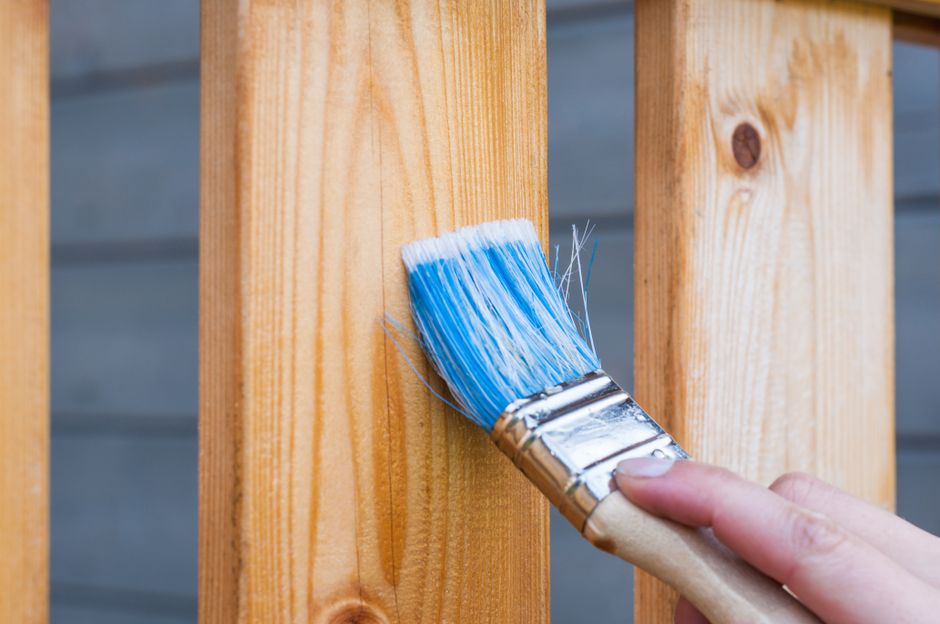
Forty windows with four sides of trim each make a hundred and sixty edges, and every one of them gets scraped, sanded and caulked before a lid is opened. Exterior painters in Torrance, CA know that this prep is where the afternoon goes, and the intervals torrance exterior painters exploration 17 uses for trim work are shorter than the manual says.
Scraping and sanding the old film

Start with a carbide scraper and pull toward the edge, never across the grain. Peeling paint comes off in sheets where the primer let go, and what stays has to be feathered with sanding, usually 80 grit first and 120 after. A scuff sand over the sound areas gives the next coat something to bite.
Glazing putty and failed glass seals

Older wood sash windows set glass with glazing putty, and putty dries out and cracks after a couple of decades under the sun. Loose putty gets picked out with a putty knife and replaced with fresh putty, tooled to a clean bevel. New putty needs a few days of skinning over before it takes oil based primer, so the order of work matters on a two-storey wall where the ladder has to be reset for each window.
Caulk joints where trim meets stucco
The gap between wood trim and stucco opens and closes with the daily swing from marine layer damp to afternoon heat. A paintable acrylic latex caulk handles that movement better than a hard filler. Anything bigger than a pencil gap gets backer rod first, then caulk. Hairline cracks in the stucco next to the trim get spackle or patching compound, sanded flush once cured.
Priming bare wood and patched spots
Every bare patch gets spot primer before the full coat. Oil based primer seals tannin and raw grain well, while a bonding acrylic primer suits glossy old enamel that has only been scuffed. Primer dries in about an hour in dry air and noticeably longer on a foggy morning near the Pacific Ocean.
Topcoat choice and cut in
Trim takes a semi gloss or satin acrylic enamel, since a flat finish chalks and holds dirt. Two coats is the rule, with a light scuff between them. A good angled sash brush does the cut in along the glass and the stucco line, and a small foam roller smooths the wide faces.
Where stucco and trim meet the weather
Homes between the Del Amo Fashion Center and the Palos Verdes Peninsula get steady salt in the air and strong sun on the west faces. Those faces fail first, so they are scraped back further.